Supporting the Development of a Responsible Cannabis Regulatory Framework for Sint Maarten

The Cannabis Legislative Inter-Ministerial Work Group (CLIWG) brings together government, healthcare, legal, and community leaders to develop evidence-based cannabis policies that prioritize public health, safety, education, and sustainable economic development.

About the Cannabis Legislative Inter-Ministerial Work Group

The Cannabis Legislative Inter-Ministerial Work Group (CLIWG) is a government-led collaborative body established to research, evaluate, and develop recommendations for a responsible cannabis regulatory framework in Sint Maarten. Through evidence-based policy, stakeholder engagement, and public education, the Work Group aims to protect public health, promote safety, and support sustainable economic development.

The Work Group’s Role:

Public Health & Safety

evaluating safeguards relating to youth protection, consumer safety, product standards, education and responsible access.

Policy Research & Development

examining legislation, regulatory models and international best practices.

Legal & Regulatory Development

supporting the development of a clear framework for cultivation, manufacturing, testing, distribution, licensing and consumption.

Economic & Social Analysis

assessing potential effects on employment, Government revenue, agriculture, entrepreneurship, tourism and wider economic development.

Law Enforcement & Compliance

examining enforcement requirements, compliance mechanisms and measures necessary to reduce illicit-market activity.

Stakeholder Engagement

consulting healthcare professionals, farmers, businesses, community organizations, educators, cultural groups and other stakeholders.

Public Education

providing opportunities for residents to receive information, ask questions and participate in the national discussion.

Regional Coordination

considering developments on French Saint Martin, Aruba and other relevant jurisdictions as part of the policy-development process.

What We Worked On

CLIWG’s work covers several connected areas required to evaluate and develop a responsible cannabis regulatory framework for Sint Maarten.

01

Public Health & Youth Protection

Examined safeguards designed to protect public health, including:

  • Age restrictions
  • Product testing
  • THC and product labeling
  • Consumer warnings
  • Prevention and education
  • Youth-access controls
  • Medical oversight
  • Monitoring of public-health outcomes

Public-health considerations have remained a central part of the national discussion and the Work Group’s engagement activities.

02

Legal & Regulatory Framework

Reviewed and developed proposed rules governing cannabis cultivation, processing, testing, distribution, licensing, sale and consumption.

The objective was to establish a framework that clearly defines responsibilities, compliance requirements, regulatory oversight and consumer protections.

03

Licensing & Regulatory Compliance

Evaluated how a future licensing structure could govern participation across different parts of the industry while ensuring accountability, product traceability, quality standards and regulatory compliance.

This work considers the responsibilities of cultivators, processors, distributors, retailers and other potential license holders.

04

Agriculture & Local Participation

Examined how local farmers, entrepreneurs and businesses could participate in a future regulated industry.

This includes consideration of agricultural development, training, cultivation standards, farmer participation, food-security connections and opportunities for local economic involvement.

05

Law Enforcement & Illicit Market Reduction

Assessing how regulation could affect policing, enforcement, possession rules, illicit-market activity and compliance responsibilities.

The Government regulation establishing the Work Group specifically requires research into the law-enforcement implications of legalization or a tolerance policy.

06

Public Education & Stakeholder Consultation

Engaging the public and relevant sectors through meetings, stakeholder consultations, educational activities and national forums.

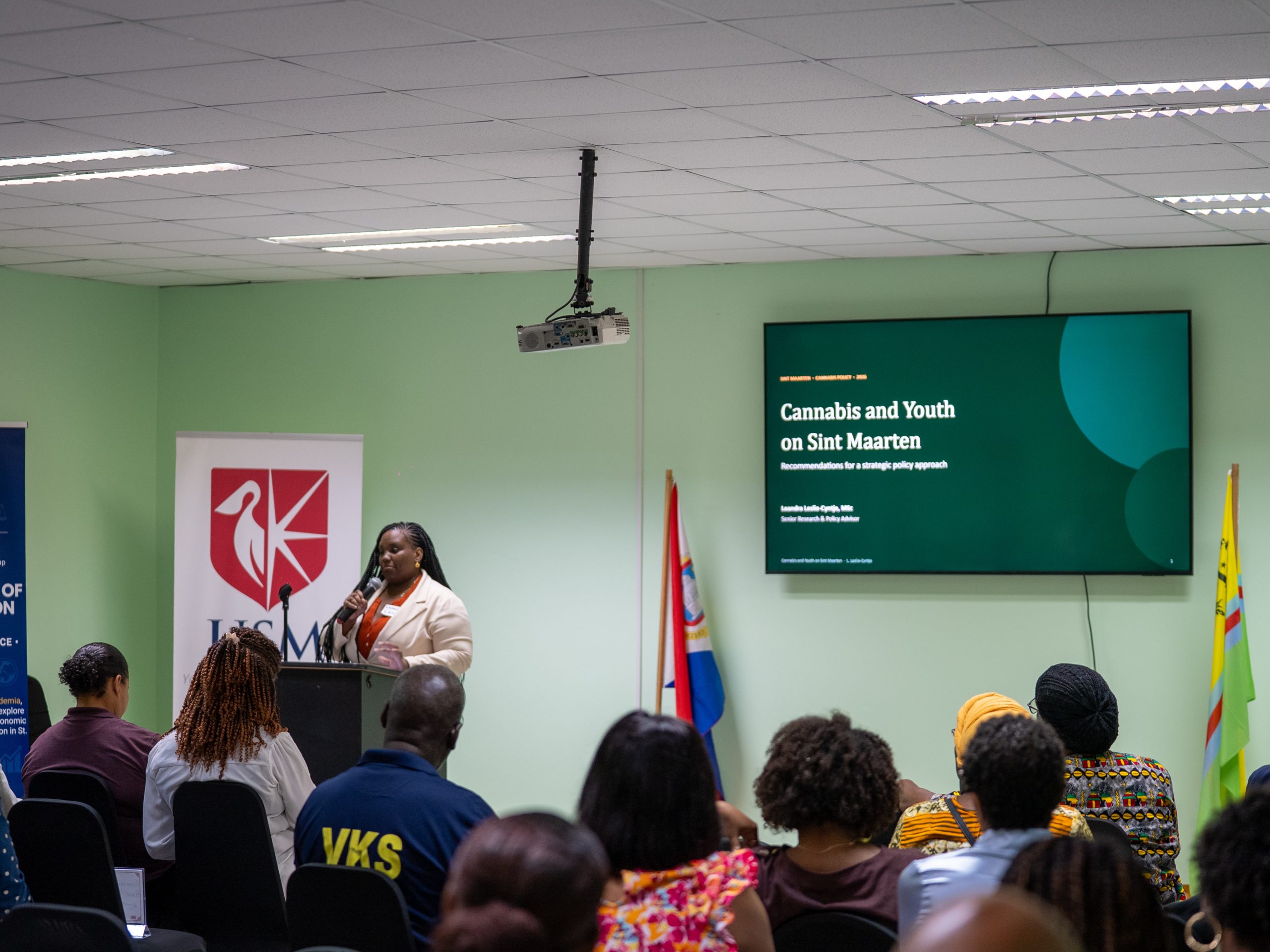
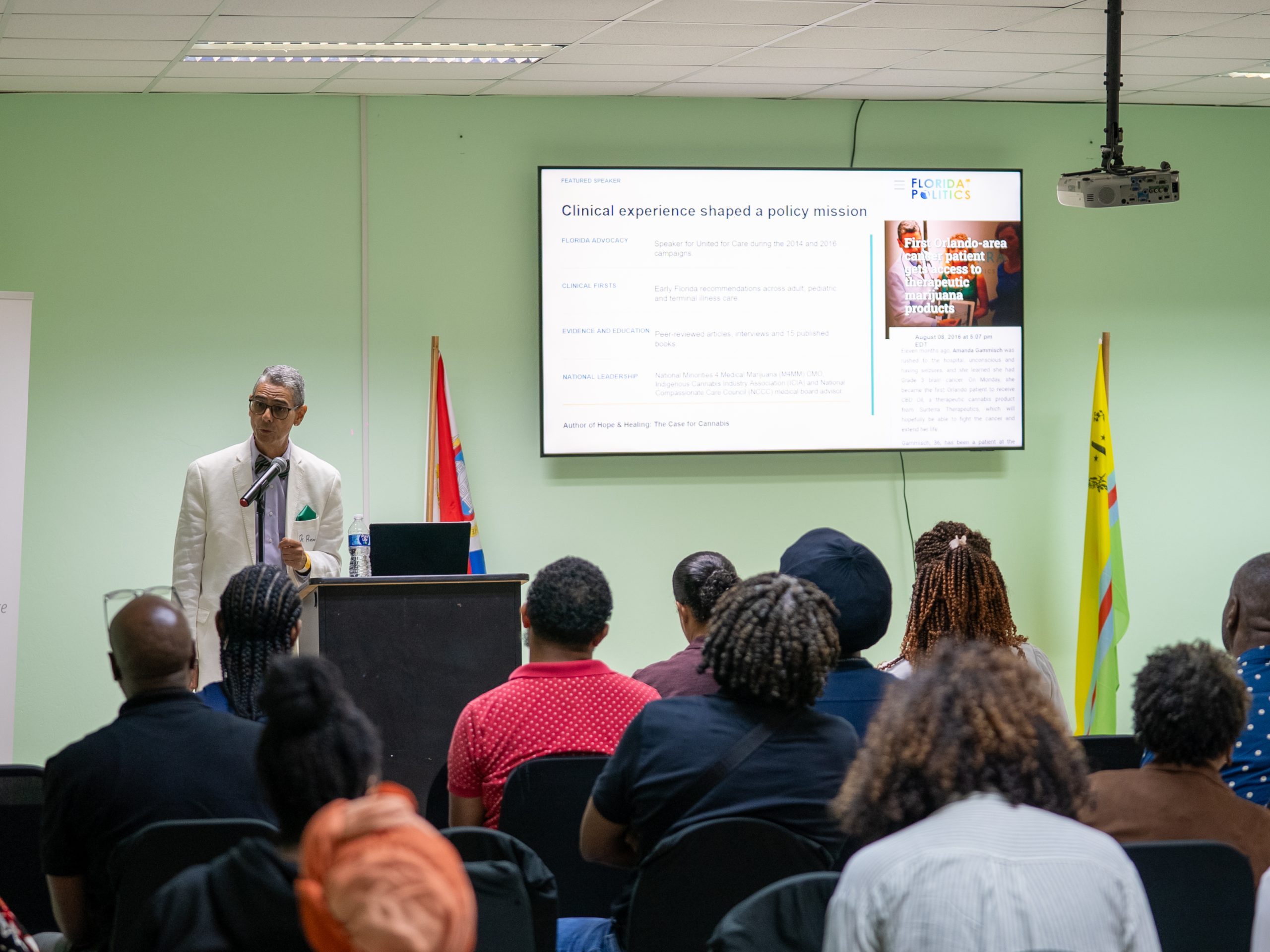
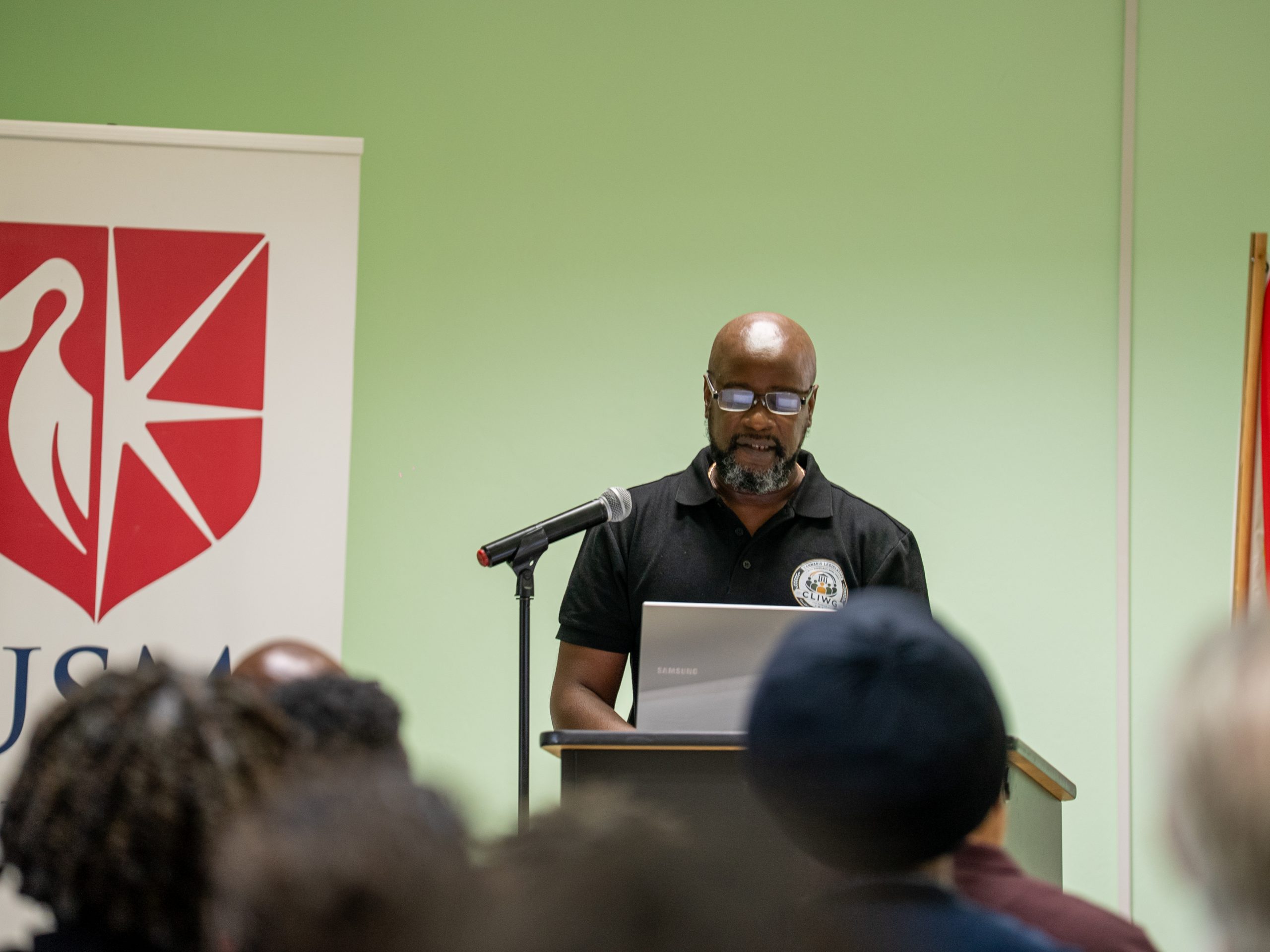
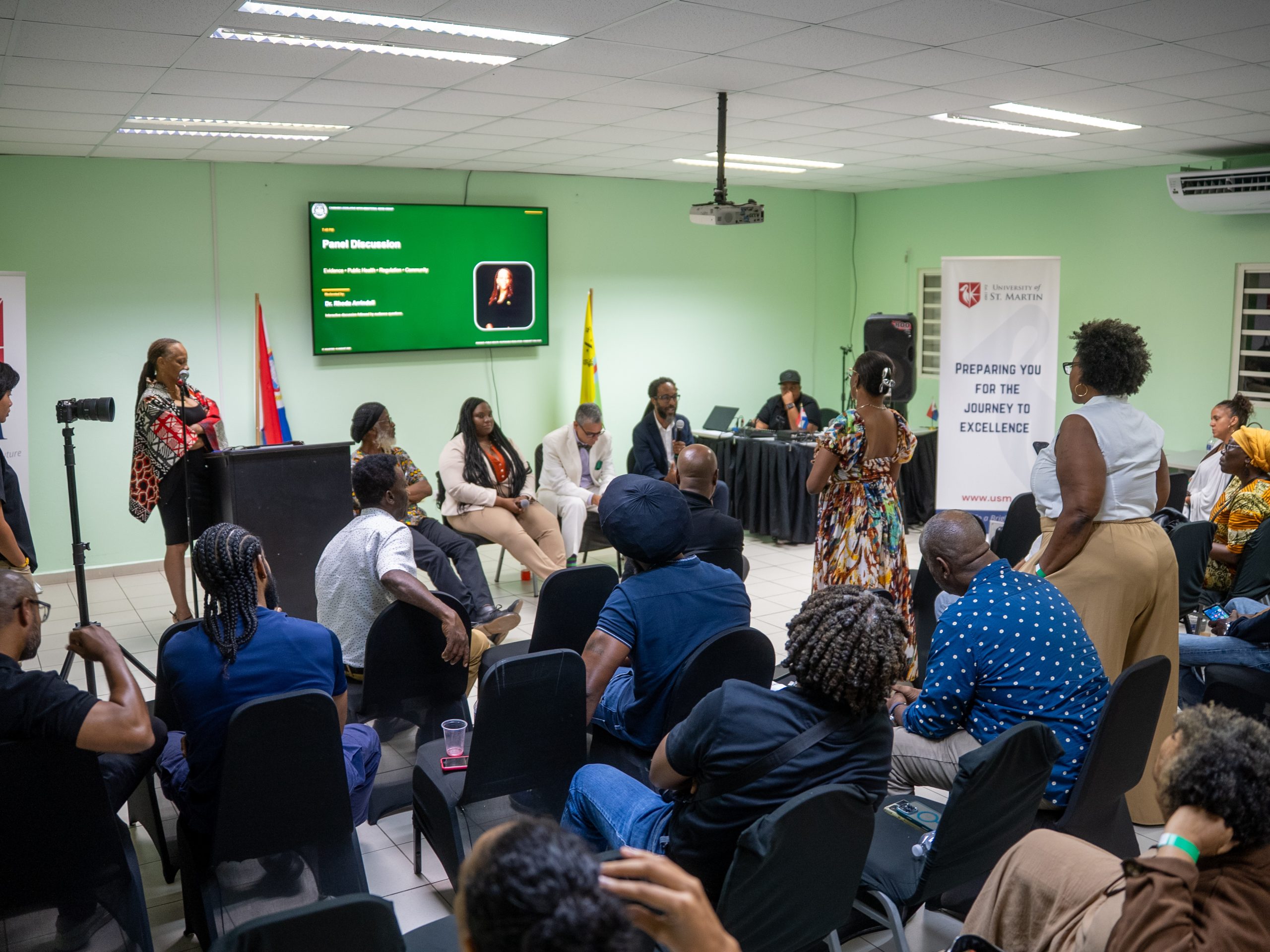
The National Symposium on Cannabis Regulation, Public Health & Policy is one example of CLIWG’s wider stakeholder-engagement and public-consultation process.

Understanding the Social & Economic Impact

Cannabis regulation has implications that extend beyond legislation.

As part of the wider regulatory-development process, socio-economic research has been undertaken to examine how a regulated cannabis industry could affect Sint Maarten’s economy and society.

Areas of analysis include:

  • Employment and workforce development
  • Government revenue
  • Local business opportunities
  • Agriculture and farmer participation
  • Tourism
  • Investment
  • Local purchasing power
  • Construction and infrastructure
  • Public-health and social considerations
  • Government administration and regulatory costs

The purpose of socio-economic analysis is not simply to estimate potential revenue. It is to help Government evaluate the broader opportunities, costs, risks and requirements associated with a regulated industry.

The 2025 year-end reporting on CLIWG and Native Nations specifically identified a socio-economic impact study as one of the major areas of work completed during the regulatory-development process.

Why This Matters

Reliable policy requires more than assumptions.

Economic projections, public-health research, legal analysis and community feedback help decision-makers evaluate whether proposed regulations are appropriate for Sint Maarten and what safeguards would be required before implementation.

Core Areas of Regulatory Development

Our work supports the development of a modern cannabis regulatory framework focused on:

Strong Legal & Compliance Standards

Develop clear regulatory standards governing cultivation, processing, testing, distribution, licensing and responsible access.

Public Health & Consumer Protection

Develop safeguards relating to product safety, youth protection, education, quality standards and responsible access.

Economic & Local Participation

Evaluate opportunities for employment, entrepreneurship, farming, investment and sustainable economic development while considering associated social and regulatory costs.

Oversight & Implementation

Assess the institutions, systems, enforcement capacity and compliance mechanisms required to administer a regulated cannabis framework effectively. Together, these areas help the Government evaluate not only what a regulatory framework could contain, but also what Sint Maarten would need in place to implement and oversee it responsibly.

Current Workstreams & Policy Development

Regulatory Framework Development

Supporting the development and review of proposed rules governing cannabis cultivation, manufacturing, testing, distribution, licensing and responsible use.

Public Health & Education

Examining safeguards, prevention strategies, youth protection, medical considerations and evidence-based public information.

Licensing & Compliance

Developing recommendations for transparent licensing, regulatory oversight, product tracking and industry compliance.

Socio-Economic Research

Assessing the potential economic, employment, public-revenue, agricultural and social implications of a regulated industry.

Agriculture & Local Participation

Engaging farmers and stakeholders to examine how local participation can be incorporated into the developing framework.

Stakeholder Consultation

Engaging healthcare professionals, legal experts, educators, businesses, farmers, community organizations, cultural representatives and the wider public.

Regional & International Research

Reviewing cannabis policies, regulatory models and lessons from other jurisdictions, including neighboring and Caribbean territories.

Parliamentary & Government Review

Providing research, presentations and supporting information as Government and Parliament evaluate the developing policy framework.

Through collaborative policy development, research, stakeholder engagement and transparent governance, CLIWG is supporting the development of a responsible regulatory framework for Sint Maarten.

Public Engagement & Programs

A responsible regulatory process requires public participation.

CLIWG’s public-engagement work is designed to provide residents and stakeholders with access to reliable information while creating opportunities to raise concerns, ask questions and contribute relevant expertise.

National Symposium on Cannabis Regulation, Public Health & Policy

The national symposium brought together healthcare professionals, researchers, legal experts, educators, cultural representatives, policymakers, business leaders and members of the public for an evidence-based discussion on cannabis regulation.

Topics included public health, medical cannabis, youth protection, scientific research, cultivation standards, economic development, Rastafari perspectives, governance and responsible regulation.

Stakeholder Consultations

CLIWG engages stakeholders from sectors affected by cannabis regulation to gather information, understand concerns and improve policy recommendations.

Public Education

Educational materials, website updates, public forums and media information help explain how the regulatory process works and distinguish policy development from legalization itself.

Community Feedback

Members of the public are encouraged to submit questions, concerns and recommendations as the policy-development process continues.

Get Involved & Stay Updated

Meaningful public participation is an important part of responsible policy development. CLIWG encourages residents, professionals, organizations and stakeholders to stay informed, participate in consultations, and share evidence, experience and community perspectives that can help shape a regulatory framework responsive to Sint Maarten’s public-health, social, economic and institutional needs.

Stay Informed

Follow legislative, regulatory and public-engagement updates.

Participate in Public Consultation

Attend public forums, symposiums and stakeholder sessions as opportunities are announced.

Submit Feedback

Share questions, research, professional expertise or community concerns relevant to the regulatory-development process.

Enter Information Here

Cannabis Legislative Inter-Ministerial Work Group

Email: info@workgroupsxm.com

Copyright © 2026 All Rights Reserved